

Flash Is Not the Cheap Option: Repeatable Designs Still Need Standards
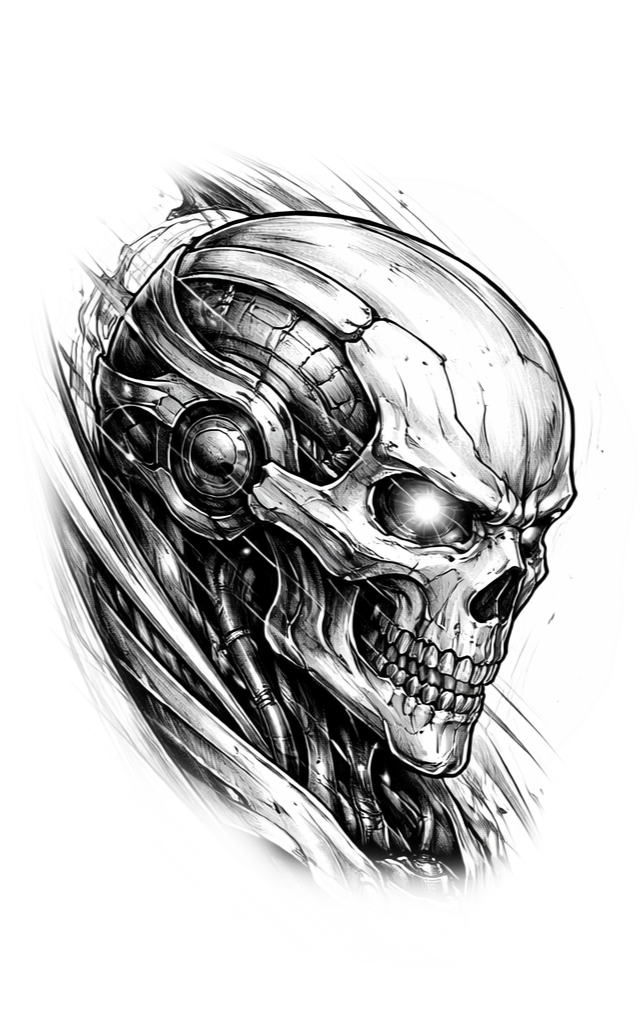
Flash is part of tattoo history, not a bargain-bin apology. Repeating a design still demands clear rules, solid execution, and respect for the art.
Flash has always had a job
Tattoo flash is not custom work’s less talented cousin. Historically, sheets of ready-to-tattoo designs advertised an artist’s skill and gave clients a clear way to choose. Smithsonian coverage of the Lyle Tuttle collection describes flash hanging in shops and windows to attract clients and show what the tattooer could do.
That history matters because flash was never just “whatever is fast.” It was visual language, shop culture, and a working business system.

Repeatable does not mean disposable
A design can be tattooed more than once and still deserve strong drawing, thoughtful sizing, clean placement, and solid execution. The artist should know which details can scale, which placements work, and whether color or shading options change the price.
If the sheet is rushed, the appointment will not magically fix it. Test the design on paper. Print it at the smallest approved size. Look for tangencies, crowded gaps, weak silhouettes, and details that will not survive.

Set the rules before the drop
Say whether each design is repeatable, limited, or one-and-done. Say what can change: color, size, orientation, lettering, or nothing. Explain deposit, booking, and placement rules in the same place.
Ambiguity creates weirdness. One client thinks they bought exclusivity. Another expects a complete redraw for the flash price. A clear label lets people choose without turning every booking into a negotiation.
Keep it practical
Label repeatable, limited, or one-and-done.
State what can be changed.
Test every design at its minimum size.
Publish booking, deposit, and placement rules with the sheet.
Price the system, not your self-worth
Flash can cost less than fully custom work because some design time is spread across multiple appointments. That is a business model, not an admission that the art matters less. Price for the tattooing time, shop costs, complexity, placement, and the value of the drawing.
Do not train clients to believe “pre-drawn” means cheap enough to ignore your minimum. A strong flash day still uses sterile supplies, skilled labor, setup, cleanup, communication, and aftercare.

Keep the culture alive without freezing it
Traditional flash deserves preservation, but artists are allowed to build new sheets around their own vocabulary, communities, humor, and obsessions. Credit historical sources when you are studying them. Do not trace another working artist’s current sheet and call it tradition.
Good flash makes choosing feel exciting and getting tattooed feel easy. The system can be efficient without flattening the art. That is the standard.
Archive the sheet like it matters
Date the sheet, keep the original file or drawing, and track where each design was tattooed when clients consent. That record helps with repeat limits, prevents accidental double-booking of one-and-done pieces, and gives future you a clear view of how the work changed.
It also builds an honest studio history. Flash is one of the places where tattoo culture leaves a paper trail. Treating the archive with care makes it easier to credit influences, revisit strong ideas, and show clients that the sheet is part of a practice—not disposable marketing.
Sources and additional reading
Historical and business education only. Copyright questions about copying or adapting specific flash depend on the work and the facts.

Comments